



HAIR RESTORATION OPTIONS: Topical Treatments
For thousands of years, man has searched for topical ‘lotions and potions’ for hair regrowth.
Thankfully, medical science has provided what generations and generations of hair loss suffers have sought… FDA-Approved Hair Regrowth Medications!
The twice daily application of minoxidil, the fda-approved hair regrowth drug in the over-the-counter Rogaine, if used correctly and consistently can help regrow, strengthen and improve failing follicles*. However, if the follicles are ‘dead and gone,’ there is little hope for regrowth, only maintenance of existing hair. New breakthroughs in the field of cosmetic chemistry and pharmacy have improved minoxidil formulations considerably since the FDA granted its approval to the Rogaine/Minoxidil recipe decades ago. Several new potential topical medications (like Latisse/bimatoprost) are currently being tested in clinical trial settings in the hopes to gain FDA-approval. Topical lotions are not a ‘miracle cure’ for hair loss, but they are an important part of an effective hair restoration regimen and often teh first-line of approach for women with hair loss. For more information on topical therapy and the latest compounded, prescription versions of minoxidil (Formula 82M, propylene glycol-free minoxidil, etc.) contact Dr. Alan J. Bauman, MD atEmail Dr. BaumanNEW: Dr. Alan J. Bauman’s ‘white paper’ on pharmacy-compounded minoxidilFormula82M will be distributed to the medical community at the next International Society of Hair Restoration Surgery Annual Scientific Meeting. Scroll down to read/download the special report.


NEW: “Formula 82M” Minoxidil Now Available

NEW VIDEO: Dr. Alan Bauman and “Latisse for Scalp” on ABC News
Better Than Rogaine? Formula 82M Prescription Minoxidil Special Report
Bauman Medical Formula 82M Minoxidil v.100512 AJBauman by Alan J Bauman MD
HAIR RESTORATION OPTIONS: Topical Treatments (minoxidil/Rogaine, Formula82M, Latisse/bimatoprost)
 Currently produced under the trade name of Rogaine Topical SolutionTM, the medication’s exact mechanism of action is not completely understood. We know it stimulates and prolongs hair follicles’ active growth (the Anagen phase), causing the hairs to thicken and grow longer and needs to be used consistently over time. Minoxidil is helpful in slowing down the rate of hair loss in approximately 70%-75% of patients; and, about half of all patients experience some visually significant hair regrowth with consistent use. Rogaine Topical SolutionTM is available over-the-counter (without a prescription) in both 2% and 5% concentrations and in generic forms. To be effective, the solution should be applied to your scalp twice daily. Unfortunately, more than 10% of patients experience significant scalp irritation requiring them to stop the medication. Rogaine/Minoxidil also very often interferes with hairstyling in many patients interfering with its use.Compounded/Prescription Minoxdil More than twenty years after minoxidil was discovered to improve hair growth, the “Rogaine Recipe” has changed very little. However, cosmetic chemistry has changed quite a bit! Today, minoxidil can be compounded by select pharmacists to improve its tolerability, increasing its hair growth potential and decreasing side effects. The most sophisticated minoxidil available today is called “Formula 82M” and is available to patients of Bauman Medical Group. With a variety of clinically-proven ingredients that decrease side effects, increase the penetration of minoxidil (and results) as well as improve its ease-of-use, Formula 82M is a dramatic improvement over the old Rogaine formula. Formula 82M is by far the most popular minoxidil amongst Dr. Bauman’s patients.
ORDERING ROGAINE
Rogaine 5%, 2% Solutions, Rogaine 5% FOAM and generic Minoxidil are available over-the-counter and also from Dr. Bauman’s office. Customized Minoxidil formulations (including propylene glycol-free versions, 10% minoxidil cream, etc.) are also available from Dr. Bauman.
Price: $75.00
Your order is protected with online security (SSL)
Rogaine FOAM Available
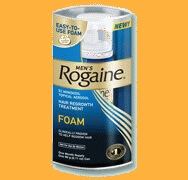 Jan 2007: New Rogaine 5% FOAM is now available. The thermolabile foam breaks down on contact with your scalp and does not contain Propylene Glycol (a common irritant). Patients are noticing that the FOAM is easier to apply and does not cause itching or irritation. Rogaine FOAM is available over-the-counter or directly from Bauman Medical Group. Rogaine 5% FOAM is FDA-approved for men only, but Dr. Bauman recommends 5% Rogaine/Minoxidil to both men and women. Call 561-394-0024 to find out if Rogaine is right for you, or to order a direct shipment of Rogaine FOAM delivered to your doorstep.
Hair Loss Evaluations and Advice” />
How to Use Minoxidil
*Each individual's treatment and/or results may vary
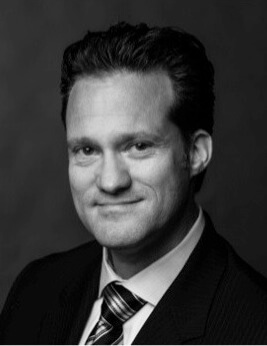 Dr. Alan J. Bauman, M.D.Hair Loss & Hair Transplant ExpertBoca Raton, FL